
Blog
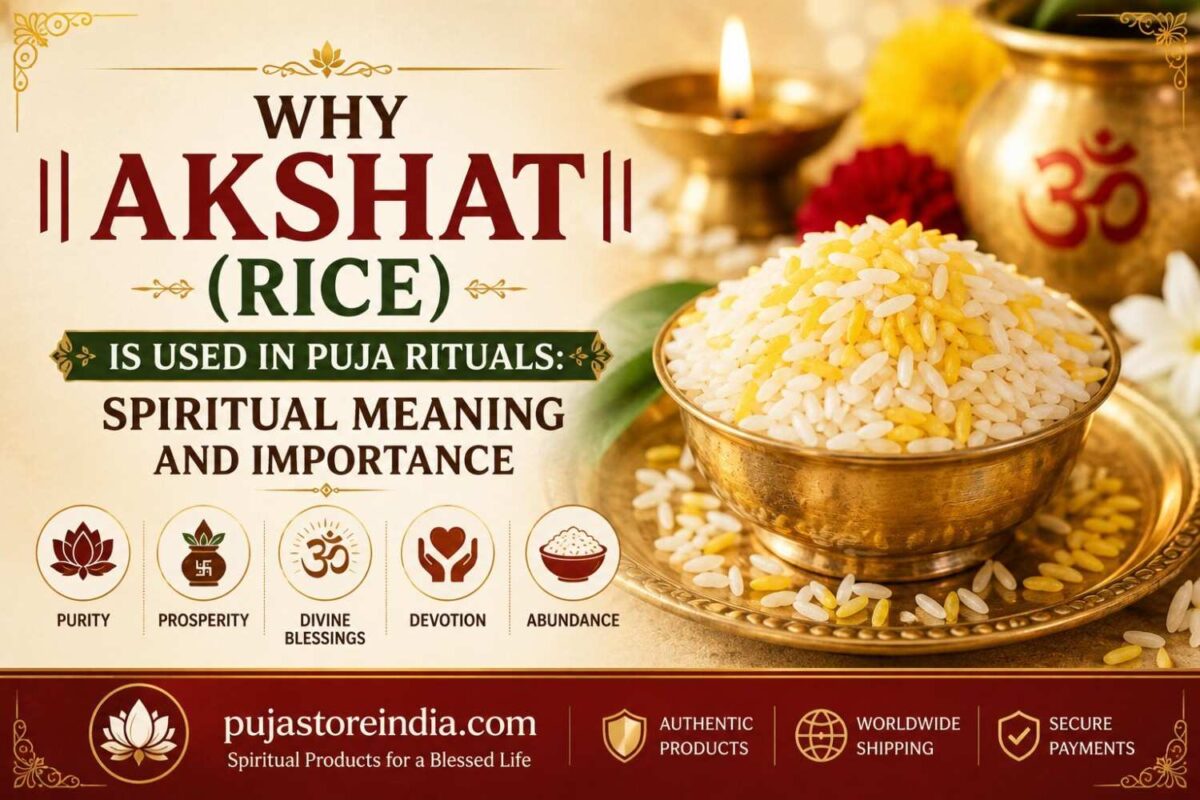
Why Akshat (Rice) is Used in Puja Rituals: Spiritual Meaning and Importance
May
Anyone who has ever attended a traditional prayer ceremony has probably noticed tiny grains of rice appearing almost everywhere. They are placed on the forehead, offered to deities, mixed with turmeric, and carefully used during rituals. Those sacred rice grains are called Akshat, and they hold deep spiritual meaning in Hindu worship practices.
Akshat rice may look simple, but its importance in puja rituals is enormous. A complete prayer setup often feels unfinished without it. Spiritual traditions have used rice for centuries because it symbolizes purity, prosperity, abundance, and positive energy. Strange how something sitting quietly in the kitchen can suddenly become spiritually powerful during worship.
Many people use Akshat every day without fully understanding why it is considered so sacred. Truthfully, those tiny grains represent much more than food. They carry symbolic meaning connected to blessings, devotion, and divine respect.
What Is Akshat?
Akshat refers to unbroken rice grains used during spiritual rituals and religious ceremonies.
Word “Akshat” comes from Sanskrit, where:
- “A” means not
- “Kshat” means broken or damaged
Together, Akshat means:
“Unbroken” or “whole.”
Whole rice grains symbolize completeness, prosperity, and uninterrupted blessings.
Broken rice is generally avoided during rituals because spiritual traditions associate wholeness with positive energy and harmony.
Why Rice Holds Spiritual Importance
Rice has always been closely connected with life, nourishment, and prosperity.
For centuries, rice has symbolized:
- Wealth
- Fertility
- Growth
- Good fortune
- Purity
Offering rice during puja represents gratitude toward divine energy for sustaining life.
Food itself carries sacred value in many spiritual traditions, and rice became one of the most respected offerings because it is considered essential for survival.
Nobody looks at a bowl of plain rice during lunch and thinks, “Ah yes, powerful spiritual symbolism.” Yet rituals give ordinary objects extraordinary meaning.
Why Akshat Is Used During Puja Rituals
Akshat serves multiple spiritual and symbolic purposes during worship.
Main Reasons Akshat Is Used
| Purpose | Meaning |
|---|---|
| Purity | Represents clean intentions |
| Prosperity | Symbolizes abundance |
| Completeness | Whole grains signify wholeness |
| Blessings | Used to invoke divine grace |
| Devotion | Offered respectfully to deities |
Rice grains are considered carriers of positive energy during sacred rituals.
Symbol of Prosperity and Abundance
Rice has long represented prosperity because it is one of the world’s most important food grains.
Large quantities of rice traditionally indicated:
- Wealth
- Stability
- Food security
- Agricultural success
Using Akshat during puja symbolizes prayers for:
- Financial stability
- Family well-being
- Happiness
- Continuous blessings
Simple grains suddenly become tiny ambassadors of prosperity.
Connection Between Akshat and Positive Energy
Spiritual practices often focus heavily on energy and intention.
Akshat is believed to:
- Absorb positive vibrations
- Carry blessings
- Enhance sacred rituals
- Strengthen devotional energy
Many rituals use Akshat alongside flowers, turmeric, sandalwood paste, and sacred lamps to create a spiritually uplifting atmosphere.
A carefully prepared prayer setup with traditional essential pooja items for sacred rituals often includes Akshat as one of the most important components.
Why Unbroken Rice Is Important
Broken rice is generally avoided in spiritual ceremonies because it symbolizes incompleteness.
Whole rice grains represent:
- Fullness
- Success
- Continuity
- Stability
Spiritual rituals emphasize positive symbolism, and unbroken grains reflect harmonious energy.
Tiny details matter deeply during traditional ceremonies.
Use of Akshat in Tilak Rituals
Akshat is commonly applied on the forehead after tilak.
Why This Is Done
- Marks blessings
- Represents divine protection
- Symbolizes respect
- Strengthens spiritual connection
Turmeric or kumkum is often applied first, followed by rice grains.
Without Akshat, many traditional tilak rituals feel strangely incomplete.
Akshat in Festivals and Religious Ceremonies
Akshat appears in almost every major Hindu ceremony.
Common Occasions
| Ceremony | Use of Akshat |
|---|---|
| Weddings | Blessings for couples |
| Housewarming | Prosperity rituals |
| Festivals | Offerings to deities |
| Naming Ceremonies | Blessings for children |
| Daily Puja | Sacred offering |
Rice quietly participates in almost every important spiritual milestone.
Akshat During Weddings
Wedding rituals use Akshat extensively.
Rice grains are often showered on couples to symbolize:
- Fertility
- Prosperity
- Unity
- Long-lasting happiness
Blessing newly married couples with rice remains one of the oldest traditions in many cultures.
Couples usually smile peacefully during this ritual while secretly wondering how much rice is currently stuck in their hair.
Why Turmeric Is Mixed With Akshat
Yellow-colored Akshat made with turmeric is especially popular during rituals.
Importance of Turmeric Akshat
- Represents purity
- Symbolizes positivity
- Enhances spiritual significance
- Adds auspicious energy
Turmeric itself is considered sacred and spiritually protective.
Combination of turmeric and rice creates a highly auspicious offering.
Role of Akshat in Daily Prayer
Daily puja rituals often include simple offerings.
Akshat is commonly used because it is:
- Easily available
- Spiritually significant
- Symbolically complete
Even short morning prayers often involve offering rice to deities with devotion and gratitude.
Consistency matters more than complexity in spiritual practice.
How Akshat Is Offered During Puja
Offering Akshat is usually done respectfully with folded hands or during mantra chanting.
Common Ways Akshat Is Used
- Placed near deity idols
- Offered during prayers
- Applied after tilak
- Sprinkled during rituals
- Used in Kalash ceremonies
Different traditions may follow slightly different methods.
Spiritual Meaning of Akshat in Hindu Philosophy
Hindu philosophy often connects physical offerings with inner intentions.
Akshat represents:
- Pure devotion
- Whole-hearted prayer
- Sincerity
- Stability of faith
Offering rice symbolically means offering gratitude and positive intentions to divine energy.
Akshat and the Idea of Wholeness
Wholeness plays an important role in spiritual symbolism.
Unbroken rice reflects:
- Complete blessings
- Balanced life
- Emotional harmony
- Spiritual stability
Rituals frequently use symbolic objects to represent deeper meanings.
Rice becomes more than food once spiritual intention enters the picture.
Can Akshat Be Used in Modern Homes?
Absolutely.
Modern lifestyles may look different, but spiritual traditions continue evolving naturally.
Many people still use Akshat during:
- Daily meditation
- Home temples
- Festival celebrations
- Prayer gatherings
Simple rituals help create peaceful moments in busy lives.
Difference Between Akshat and Regular Rice
Technically, Akshat is regular rice, but selected specifically for ritual purposes.
Main Difference
| Regular Rice | Akshat |
|---|---|
| Used for cooking | Used for worship |
| Can be broken | Usually unbroken |
| Everyday use | Sacred use |
Spiritual intention transforms ordinary items into ritual objects.
Importance of Cleanliness While Using Akshat
Purity matters deeply during worship practices.
Helpful Ritual Practices
- Use clean rice grains
- Store separately if possible
- Avoid damaged grains
- Handle respectfully
Clean offerings reflect respectful devotion.
Why Akshat Is Considered Auspicious
Akshat combines several positive spiritual meanings together.
Reasons It Is Seen as Auspicious
- Symbol of prosperity
- Represents continuity
- Used in blessings
- Connected with nourishment
- Reflects abundance
Very few ritual items carry so many symbolic meanings in such a simple form.
Scientific and Psychological Perspective
Even beyond spirituality, rituals themselves can create mental peace and emotional grounding.
Using familiar sacred items like Akshat during prayer may:
- Improve focus
- Encourage mindfulness
- Build emotional comfort
- Strengthen family traditions
Human minds often connect repetitive rituals with calmness and stability.
Common Mistakes While Using Akshat
Many people unknowingly make small mistakes during rituals.
Things to Avoid
- Using broken rice
- Mixing dirty grains
- Throwing rice carelessly
- Using stale ritual items
Respectful handling matters more than perfection.
Can Akshat Be Reused?
Practices vary depending on tradition and family customs.
Some people:
- Immerse used Akshat in water
- Place it under plants
- Return it respectfully to nature
Sacred offerings are generally treated carefully and respectfully.
Why Ancient Rituals Still Continue Today
Spiritual traditions survive because they create emotional and cultural connection.
Akshat rituals continue because they:
- Preserve heritage
- Build mindfulness
- Strengthen devotion
- Create family bonding
Tiny rice grains quietly carry centuries of tradition forward.
Conclusion
Akshat may appear simple, but its spiritual significance in puja rituals is deeply meaningful. Unbroken rice grains symbolize prosperity, purity, wholeness, and divine blessings. Whether used during daily prayer, weddings, festivals, or sacred ceremonies, Akshat continues to hold an important place in spiritual traditions.
Rituals often use ordinary objects to express extraordinary meanings, and Akshat perfectly reflects that idea. Those tiny grains remind devotees about gratitude, abundance, and sincerity in worship.
Modern lifestyles may continue changing, but many sacred traditions remain timeless because they bring peace, structure, and emotional connection into everyday life.
Sometimes the smallest ritual items carry the biggest spiritual meaning.
FAQs
What does Akshat mean in puja rituals?
Akshat means unbroken rice grains used during spiritual ceremonies to symbolize prosperity, purity, and completeness.
Why is broken rice avoided during puja?
Broken rice represents incompleteness, while whole grains symbolize harmony, blessings, and wholeness.
Why is turmeric mixed with Akshat?
Turmeric adds auspiciousness and spiritual positivity to the rice used during rituals.
Can Akshat be used in daily prayer?
Yes, Akshat is commonly used during daily home puja rituals and spiritual practices.
What does rice symbolize spiritually?
Rice symbolizes abundance, nourishment, prosperity, fertility, and gratitude.
Is Akshat used only in Hindu rituals?
Akshat is mainly associated with Hindu ceremonies, though rice symbolism appears in many cultures worldwide.
Can cooked rice be used as Akshat?
No, Akshat specifically refers to uncooked and unbroken rice grains used for worship.
Why is Akshat applied after tilak?
Applying Akshat after tilak symbolizes blessings, divine protection, and positive energy.
