
Blog
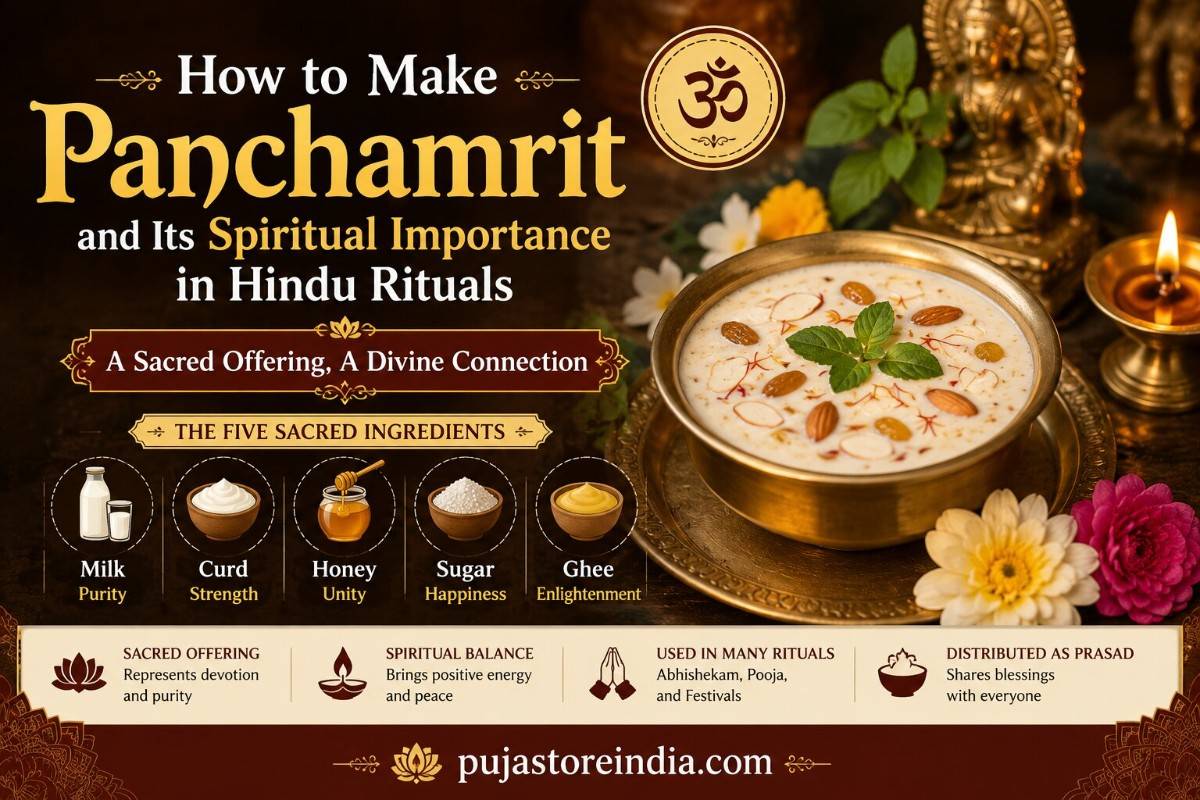
How to Make Panchamrit and Its Spiritual Importance in Hindu Rituals
May
Every traditional Hindu pooja has certain elements that instantly create a spiritual atmosphere. The fragrance of incense, the sound of bells, glowing diyas, flowers, mantras, and of course, the sacred bowl of Panchamrit placed near the deity. This simple yet powerful mixture carries deep spiritual meaning and has been part of Hindu rituals for centuries.
Many people search for Panchamrit recipe because they want to prepare it properly during festivals, temple rituals, daily worship, or special occasions at home. Good news: making Panchamrit is wonderfully simple. No complicated cooking skills are needed. Even someone who burns toast regularly can still make Panchamrit successfully.
Beyond its sweet taste, Panchamrit represents purity, devotion, positivity, and divine blessings. Every ingredient used in it has symbolic importance connected to spiritual energy and traditional beliefs.
A small bowl of Panchamrit may look simple, but spiritually, it carries the feeling of devotion, gratitude, and sacredness.
What is Panchamrit?
Panchamrit is a holy mixture used in Hindu worship rituals and temple ceremonies. The word comes from two Sanskrit words:
| Word | Meaning |
|---|---|
| Panch | Five |
| Amrit | Nectar of immortality |
Panchamrit literally means “five sacred nectars.”
Traditional Panchamrit is made using five main ingredients:
- Milk
- Curd
- Honey
- Sugar
- Ghee
Some people also add:
- Tulsi leaves
- Dry fruits
- Banana pieces
- Saffron
- Cardamom
Panchamrit is commonly offered to deities during pooja and later distributed as prasad.
Why Panchamrit Holds Spiritual Importance
Panchamrit is not just a sweet mixture. Every ingredient represents something spiritually meaningful.
Spiritual Symbolism of the Five Ingredients
| Ingredient | Spiritual Meaning |
|---|---|
| Milk | Purity and goodness |
| Curd | Strength and prosperity |
| Honey | Unity and sweetness |
| Sugar | Happiness and positivity |
| Ghee | Spiritual enlightenment |
Together, these ingredients symbolize harmony between the body, mind, and soul.
Many devotees believe Panchamrit helps create positive vibrations during worship.
How to Make Panchamrit at Home
Preparing Panchamrit is beautifully easy. No giant kitchen setup required. No dramatic cooking background music required either.
Basic Panchamrit Recipe
Ingredients
| Ingredient | Quantity |
|---|---|
| Milk | 1 cup |
| Curd | 2 tablespoons |
| Honey | 1 tablespoon |
| Sugar | 1 tablespoon |
| Ghee | 1 teaspoon |
Optional additions:
- Tulsi leaves
- Chopped dry fruits
- Cardamom powder
- Saffron strands
Step-by-Step Panchamrit Preparation
Step 1: Choose a Clean Bowl
Always use a clean bowl or silver container if available. Cleanliness is considered very important during spiritual rituals.
Step 2: Add Milk
Pour fresh milk into the bowl first. Milk is considered sacred and symbolizes purity.
Step 3: Add Curd
Mix curd gently into the milk. Curd represents prosperity and nourishment.
Step 4: Add Honey
Honey adds sweetness and balance. Spiritually, it represents harmony among people.
Also, honey somehow makes everything feel more holy and fancy at the same time.
Step 5: Add Sugar
Sugar symbolizes happiness and positive energy in life.
Step 6: Add Ghee
Add a small amount of ghee. Ghee is connected with spiritual purity and divine energy.
Step 7: Mix Everything Carefully
Stir all ingredients slowly while chanting prayers or mantras if desired.
Step 8: Add Tulsi Leaves
Tulsi leaves are often added at the end because they are considered highly sacred in Hindu worship.
Why Tulsi is Commonly Added to Panchamrit
Tulsi holds enormous spiritual significance in Hindu tradition.
Reasons Tulsi is Added
- Represents purity
- Connected with Lord Vishnu
- Believed to remove negative energy
- Enhances sacredness of prasad
A single Tulsi leaf may look tiny, but spiritually, it is considered extremely powerful.
When Panchamrit is Used
Panchamrit appears in many Hindu rituals and festivals throughout the year.
Common Occasions
| Occasion | Use of Panchamrit |
|---|---|
| Daily pooja | Offered as prasad |
| Janmashtami | Krishna worship |
| Shivratri | Shiva Abhishekam |
| Satyanarayan pooja | Sacred offering |
| Housewarming rituals | Blessings and positivity |
| Temple ceremonies | Distribution to devotees |
Its presence instantly makes a pooja feel complete.
Panchamrit During Abhishekam Rituals
Abhishekam is a sacred bathing ritual performed for deities using holy ingredients.
Panchamrit is commonly poured over idols during:
- Shiva worship
- Krishna worship
- Vishnu worship
Devotees believe this ritual purifies the environment and invites divine blessings.
Honestly, temples during Abhishekam feel peaceful enough to calm even the most overworked human brain.
Health Benefits Associated with Panchamrit
Traditional beliefs also connect Panchamrit with physical wellness because of its natural ingredients.
Possible Benefits
| Ingredient | Traditional Benefit |
|---|---|
| Honey | Energy and immunity |
| Milk | Strength and nourishment |
| Curd | Digestion support |
| Ghee | Mental clarity |
| Tulsi | Purification |
Many people consume Panchamrit in small amounts as blessed prasad after worship.
Importance of Cleanliness While Preparing Panchamrit
Spiritual rituals place strong importance on cleanliness and intention.
Things to Keep in Mind
- Wash hands properly
- Use fresh ingredients
- Keep utensils clean
- Prepare with calmness
- Avoid tasting before offering
Traditional belief says positive thoughts matter while preparing sacred offerings.
A stressed mind while making Panchamrit defeats the peaceful purpose a little.
Different Variations of Panchamrit
Different regions and families prepare Panchamrit slightly differently.
Popular Variations
Dry Fruit Panchamrit
Contains almonds, raisins, and cashews.
Banana Panchamrit
Mashed banana is added for sweetness.
Saffron Panchamrit
Saffron strands create a rich aroma.
Cardamom Panchamrit
Adds extra fragrance and flavor.
Spiritual essence remains the same despite regional variations.
Why Panchamrit is Distributed as Prasad
Prasad symbolizes blessings from the divine.
Distributing Panchamrit after worship represents:
- Sharing positivity
- Community connection
- Divine grace
- Gratitude
Receiving Panchamrit after pooja often creates a peaceful emotional feeling for devotees.
The Role of Panchamrit in Krishna Worship
Lord Krishna is deeply associated with milk products like butter, curd, and ghee.
Panchamrit therefore becomes especially important during:
- Janmashtami
- Krishna temple rituals
- Bal Gopal worship
Krishna devotees often prepare Panchamrit with great devotion and joy.
Also, Krishna stories alone can make people smile faster than motivational speakers.
Panchamrit and Positive Energy
Many devotees believe sacred rituals influence the atmosphere of a home.
Panchamrit is often associated with:
- Mental peace
- Positive vibrations
- Spiritual cleansing
- Emotional calmness
Faith plays a major role in these experiences.
A peaceful pooja setup with traditional accessories, clean surroundings, and sacred ritual essentials often enhances the spiritual atmosphere beautifully. Many families preparing daily worship spaces explore thoughtfully selected Traditional Pooja Items for Home Temples and Rituals to create a more organized and spiritually comforting environment.
Can Panchamrit Be Prepared Daily?
Yes, many families prepare Panchamrit daily during morning pooja.
Daily preparation usually involves:
- Small quantities
- Fresh ingredients
- Simple prayers
Even a small daily ritual can create a calming spiritual routine.
Common Mistakes People Make While Preparing Panchamrit
Using Sour Curd
Fresh curd should always be used.
Adding Too Much Sugar
Panchamrit should remain balanced, not overwhelmingly sweet.
Using Unclean Utensils
Cleanliness matters greatly in spiritual offerings.
Preparing in a Hurry
Calm preparation helps maintain devotional focus.
Speed-running Panchamrit preparation like a cooking competition is probably not the ideal spiritual mood.
Why Panchamrit Feels Spiritually Comforting
Spiritual rituals often comfort people emotionally because they create:
- Structure
- Calmness
- Familiarity
- Faith
- Gratitude
Panchamrit becomes part of that emotional connection.
Its sweet taste, sacred symbolism, and presence during worship create feelings of peace and devotion for many people.
Traditional Beliefs Associated with Panchamrit
Several traditional beliefs are connected to Panchamrit.
Common Spiritual Beliefs
| Belief | Meaning |
|---|---|
| Sacred offering | Pleases deities |
| Purification | Cleanses negativity |
| Blessings | Brings positivity |
| Sharing prasad | Spreads divine grace |
Beliefs vary between families and traditions, but devotion remains the central focus.
Can Children Consume Panchamrit?
Yes, Panchamrit is commonly distributed to all age groups after pooja.
Children often enjoy it because:
- It tastes sweet
- Contains familiar ingredients
- Feels special during festivals
Though honestly, some children mainly wait for prasad with the same excitement adults reserve for dessert tables.
Best Time to Prepare Panchamrit
Fresh Panchamrit is considered best.
Ideal Timing
- Before pooja
- Early morning rituals
- Festival preparation
- Temple ceremonies
Avoid storing it for very long periods.
The Connection Between Food and Spirituality
Many spiritual traditions connect food with devotion.
Sacred food offerings symbolize:
- Gratitude
- Respect
- Divine connection
- Sharing blessings
Panchamrit beautifully reflects that connection between nourishment and spirituality.
Simple Tips for Better Panchamrit Preparation
Helpful Tips
- Use fresh milk
- Keep ingredient proportions balanced
- Add Tulsi at the end
- Prepare calmly
- Serve fresh
Tiny details often make spiritual rituals feel more meaningful.
FAQs About Panchamrit
What is Panchamrit made of?
Traditional Panchamrit contains milk, curd, honey, sugar, and ghee.
Why is Panchamrit important in Hindu worship?
Panchamrit symbolizes purity, blessings, positivity, and devotion during pooja rituals.
Can Panchamrit be consumed after pooja?
Yes, Panchamrit is commonly distributed as prasad after worship.
Why are Tulsi leaves added to Panchamrit?
Tulsi is considered sacred and spiritually purifying in Hindu tradition.
Can Panchamrit be prepared without ghee?
Some families adjust recipes based on preference, but traditional Panchamrit usually includes ghee.
How long can Panchamrit be stored?
Fresh Panchamrit is best consumed the same day.
Is Panchamrit only used in temples?
No. Many families prepare Panchamrit at home during daily pooja and festivals.
Conclusion
Panchamrit may appear simple on the surface, but spiritually, it carries deep meaning rooted in devotion, purity, and sacred tradition. Every ingredient contributes both symbolic and emotional value, turning this small bowl of sweet nectar into an important part of Hindu worship.
Preparing Panchamrit is not about perfection or complicated rituals. Faith, cleanliness, gratitude, and sincerity matter far more. Whether offered during festivals, daily pooja, or temple ceremonies, Panchamrit continues to create a feeling of spiritual peace and connection that has remained meaningful for generations.
Sometimes the simplest traditions carry the strongest sense of comfort and devotion.
A bowl of Panchamrit proves exactly that.
