
Blog
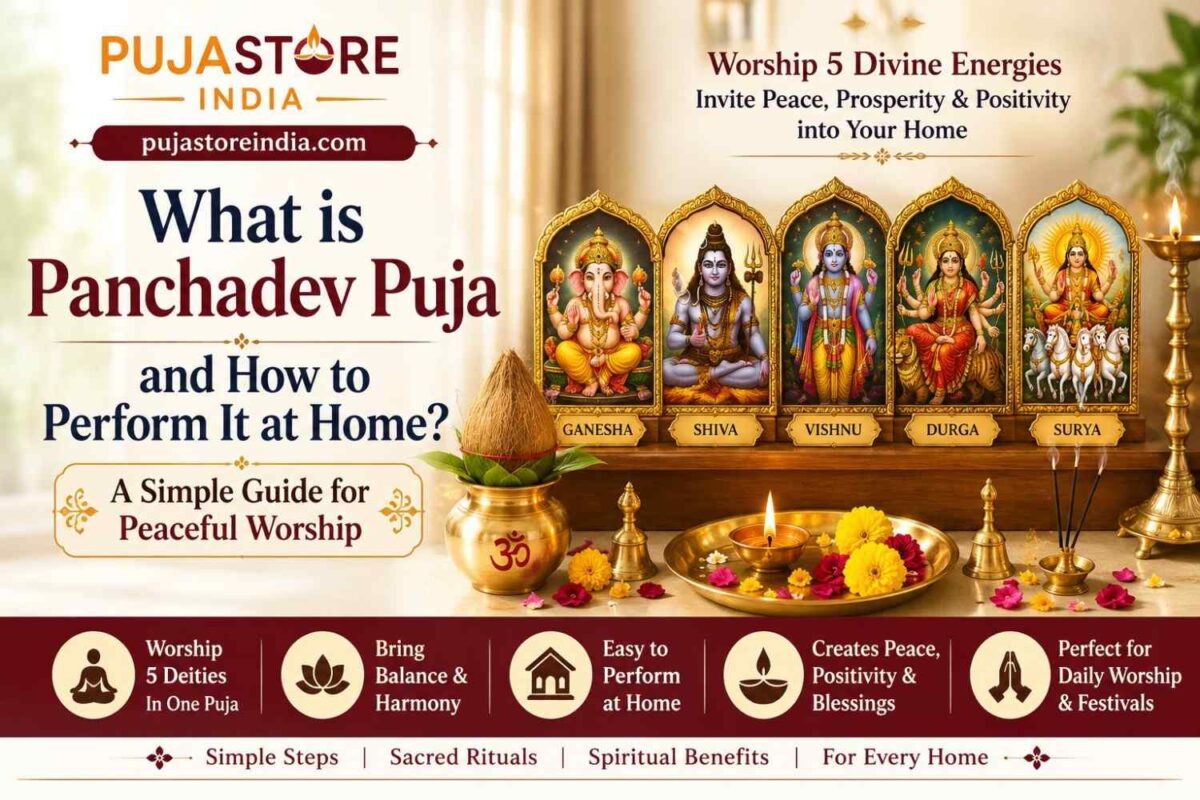
What is Panchadev Puja and How to Perform It at Home? A Simple Guide for Peaceful Worship
May
Many people search for Panchadev Puja when they want to create a peaceful spiritual routine at home without making things overly complicated. Modern life already has enough confusion. Wi-Fi passwords alone are difficult enough to remember, so a simple and meaningful puja feels refreshing.
Panchadev Puja is one of the most respected forms of Hindu worship. The word “Panchadev” means “five deities.” This puja focuses on worshipping five major divine forms together as a symbol of balance, harmony, and spiritual unity.
Families have followed this practice for generations because it creates a calm and disciplined spiritual atmosphere at home. Some people perform it daily, while others prefer special occasions or festival days.
Best of all, Panchadev Puja does not require a giant temple room or expert-level ritual knowledge. A clean space, sincere devotion, and a little patience are usually enough.
What Does Panchadev Mean?
The term Panchadev combines two Sanskrit words:
| Word | Meaning |
|---|---|
| Panch | Five |
| Dev | Divine forms or deities |
The five deities worshipped in Panchadev Puja are:
- Lord Ganesha
- Lord Shiva
- Lord Vishnu
- Goddess Durga or Devi
- Lord Surya (Sun God)
These divine forms represent different energies and aspects of life.
Why These Five Deities Together?
Each deity symbolizes something important:
| Deity | Represents |
|---|---|
| Ganesha | Wisdom and obstacle removal |
| Shiva | Transformation and inner peace |
| Vishnu | Protection and balance |
| Durga | Power and divine energy |
| Surya | Health and positivity |
Worshipping all five together creates spiritual balance rather than focusing on only one aspect of life.
Ancient sages probably understood something modern people forget quite often: balance matters. Too much stress, too much ego, or too much overthinking can turn anyone into a walking headache.
The Spiritual Importance of Panchadev Puja
Panchadev Puja promotes harmony between different spiritual paths. Hindu traditions include many forms of worship, but Panchadev Puja reminds devotees that all divine energies ultimately lead toward the same truth.
Many families perform this puja because it:
- Creates positive energy at home
- Encourages discipline
- Improves mental peace
- Strengthens spiritual connection
- Helps develop gratitude
Regular worship also creates a comforting daily routine. Lighting a diya and chanting prayers often feels more peaceful than endlessly scrolling social media at midnight.
Can Panchadev Puja Be Performed at Home?
Absolutely.
Many people assume elaborate rituals are necessary, but home worship can remain simple and meaningful. Devotion matters more than perfection.
A small clean altar or dedicated prayer corner is enough for daily Panchadev Puja.
Ideal Places for Puja at Home
- Prayer room
- Quiet corner
- Clean shelf or altar
- Meditation area
Cleanliness plays an important role. Spiritual peace becomes difficult when yesterday’s snack wrappers are sitting next to incense sticks.
Items Required for Panchadev Puja
Preparation becomes much easier when all puja items are arranged beforehand.
Basic Panchadev Puja Items
| Item | Purpose |
|---|---|
| Idols or images of five deities | Main worship |
| Diya or lamp | Symbol of light |
| Incense sticks | Fragrance and purity |
| Flowers | Devotion and respect |
| Kumkum and turmeric | Traditional offering |
| Water vessel | Purification |
| Fruits or sweets | Bhog or offering |
| Bell | Spiritual vibration |
Beautifully arranged worship spaces often create a stronger spiritual connection. Many families prefer keeping traditional and organized pooja items for home worship to maintain a peaceful devotional atmosphere during daily rituals and special ceremonies.
How to Prepare Before Panchadev Puja
Preparation is an important part of the puja process.
Simple Preparation Steps
1. Clean the Worship Area
Dust and clutter should be removed before beginning the puja.
2. Take a Bath
Personal cleanliness symbolizes purity and respect.
3. Wear Clean Clothes
Traditional attire is preferred, but clean modest clothing is perfectly fine.
4. Arrange the Deities Properly
Place all five deities neatly on the altar.
5. Light the Diya
Lighting the lamp symbolizes removing darkness and ignorance.
Small rituals often help the mind settle down naturally.
Step-by-Step Panchadev Puja Procedure
Daily Panchadev Puja does not have to feel overwhelming.
Step 1: Begin with Ganesha Prayer
Lord Ganesha is worshipped first because he is believed to remove obstacles.
Offer:
- Flowers
- Rice
- Kumkum
- Sweets
A simple chant or prayer is enough.
Step 2: Worship Lord Shiva
Offer water, flowers, and sandalwood paste to Lord Shiva.
Many devotees also chant:
- Om Namah Shivaya
Calmness and simplicity are strongly associated with Shiva worship.
Step 3: Worship Lord Vishnu
Offer tulsi leaves, flowers, and fruits.
Vishnu worship symbolizes stability and protection in life.
Step 4: Worship Goddess Durga
Offer red flowers and kumkum to the Goddess.
Durga worship represents strength, courage, and divine energy.
Life occasionally feels like a wrestling match with stress, bills, and endless notifications. Durga worship reminds devotees to stay mentally strong.
Step 5: Worship Lord Surya
Offer water facing sunlight if possible.
Surya worship is associated with:
- Health
- Vitality
- Positive energy
Morning worship often feels especially peaceful because the atmosphere remains calm and quiet.
Simple Panchadev Puja Mantras
Beginners can use short mantras instead of lengthy recitations.
| Deity | Simple Mantra |
|---|---|
| Ganesha | Om Gan Ganapataye Namah |
| Shiva | Om Namah Shivaya |
| Vishnu | Om Namo Bhagavate Vasudevaya |
| Durga | Om Dum Durgaye Namah |
| Surya | Om Suryaya Namah |
Even short chants performed sincerely can create deep spiritual focus.
Best Time to Perform Panchadev Puja
Morning is generally considered the best time.
Recommended Timings
- Sunrise
- Early morning after bath
- Evening during sunset
Morning worship helps create a positive mood for the day ahead.
Evening puja also works well for people with busy schedules. Spiritual practice should reduce stress, not create another complicated task list.
Benefits of Performing Panchadev Puja
1. Creates Mental Peace
Daily worship often calms the mind and reduces negativity.
2. Encourages Discipline
Regular puja builds consistency and focus.
3. Strengthens Family Bonding
Families performing prayers together often experience stronger emotional connection.
4. Promotes Positive Energy
Clean and peaceful spiritual spaces improve the atmosphere at home.
5. Improves Spiritual Awareness
Regular worship increases mindfulness and gratitude.
Common Mistakes During Panchadev Puja
Nobody performs every ritual perfectly from day one. Mistakes happen naturally.
Avoid These Common Errors
| Mistake | Better Approach |
|---|---|
| Rushing through prayers | Stay calm and focused |
| Cluttered altar | Keep space organized |
| Skipping cleanliness | Maintain purity |
| Overcomplicating rituals | Keep worship simple |
| Forgetting devotion | Focus on sincerity |
Spiritual practice should feel peaceful rather than stressful.
Can Beginners Perform Panchadev Puja?
Yes, absolutely.
Many people delay spiritual practices because they fear doing something incorrectly. Simple devotion matters far more than flawless ritual performance.
Beginners can:
- Use simple prayers
- Start with basic offerings
- Learn gradually
- Keep rituals short initially
Nobody becomes spiritually experienced overnight. Even experienced devotees continue learning throughout life.
How Long Does Panchadev Puja Take?
The duration depends on personal preference.
Average Time Options
| Puja Style | Approximate Time |
|---|---|
| Simple Daily Puja | 15–20 minutes |
| Detailed Worship | 45–60 minutes |
| Festival Puja | 1–2 hours |
Short sincere worship often feels more meaningful than long distracted rituals.
Special Occasions for Panchadev Puja
Panchadev Puja is commonly performed during:
- Festivals
- Housewarming ceremonies
- Spiritual beginnings
- Family celebrations
- Personal milestones
Many devotees also perform it during difficult periods to seek guidance and peace.
Creating a Peaceful Puja Atmosphere
The surrounding atmosphere affects spiritual focus.
Helpful Tips
- Use soft lighting
- Keep the area clean
- Avoid loud distractions
- Use natural incense
- Sit comfortably during prayers
Peaceful worship spaces naturally help the mind slow down.
Some people spend ten minutes arranging flowers and then forget where they kept the matchbox for the diya. That moment is practically a spiritual tradition at this point.
Why Panchadev Puja Still Matters Today
Modern life moves very fast. Phones ring constantly, schedules remain packed, and stress quietly builds in the background.
Panchadev Puja creates a small pause in daily life. Those few peaceful moments help people reconnect with gratitude, discipline, and inner calm.
Spiritual routines also create emotional stability during uncertain times.
Ancient traditions survive for generations because they continue helping people even in changing times.
FAQs
What is the meaning of Panchadev Puja?
Panchadev Puja means worshipping five major Hindu deities together for spiritual balance and harmony.
Can Panchadev Puja be performed daily?
Yes. Many families perform it daily as part of their spiritual routine.
Do I need a priest for Panchadev Puja?
No. Simple Panchadev Puja can easily be performed at home without a priest.
Which five deities are worshipped in Panchadev Puja?
Lord Ganesha, Lord Shiva, Lord Vishnu, Goddess Durga, and Lord Surya.
Can beginners perform Panchadev Puja?
Absolutely. Beginners can start with simple prayers and gradually learn more rituals.
What is the best time for Panchadev Puja?
Morning during sunrise is considered ideal, although evening worship is also acceptable.
Conclusion
Panchadev Puja is a beautiful spiritual practice that brings together devotion, balance, and inner peace. Worshipping five divine forms together reminds devotees that life needs wisdom, strength, protection, positivity, and calmness all at once.
Home worship does not need to feel complicated or intimidating. A clean space, simple prayers, and sincere devotion are more than enough to begin.
Daily spiritual routines often create peace that modern life struggles to provide. Even a few quiet moments in front of a diya can help clear the mind and improve emotional balance.
Spirituality becomes meaningful when it feels natural, peaceful, and consistent rather than forced.
